Seven (7) Modern Life Habits That Can Be Incredibly Bad For Your Brain Health
By Kweku Jasper
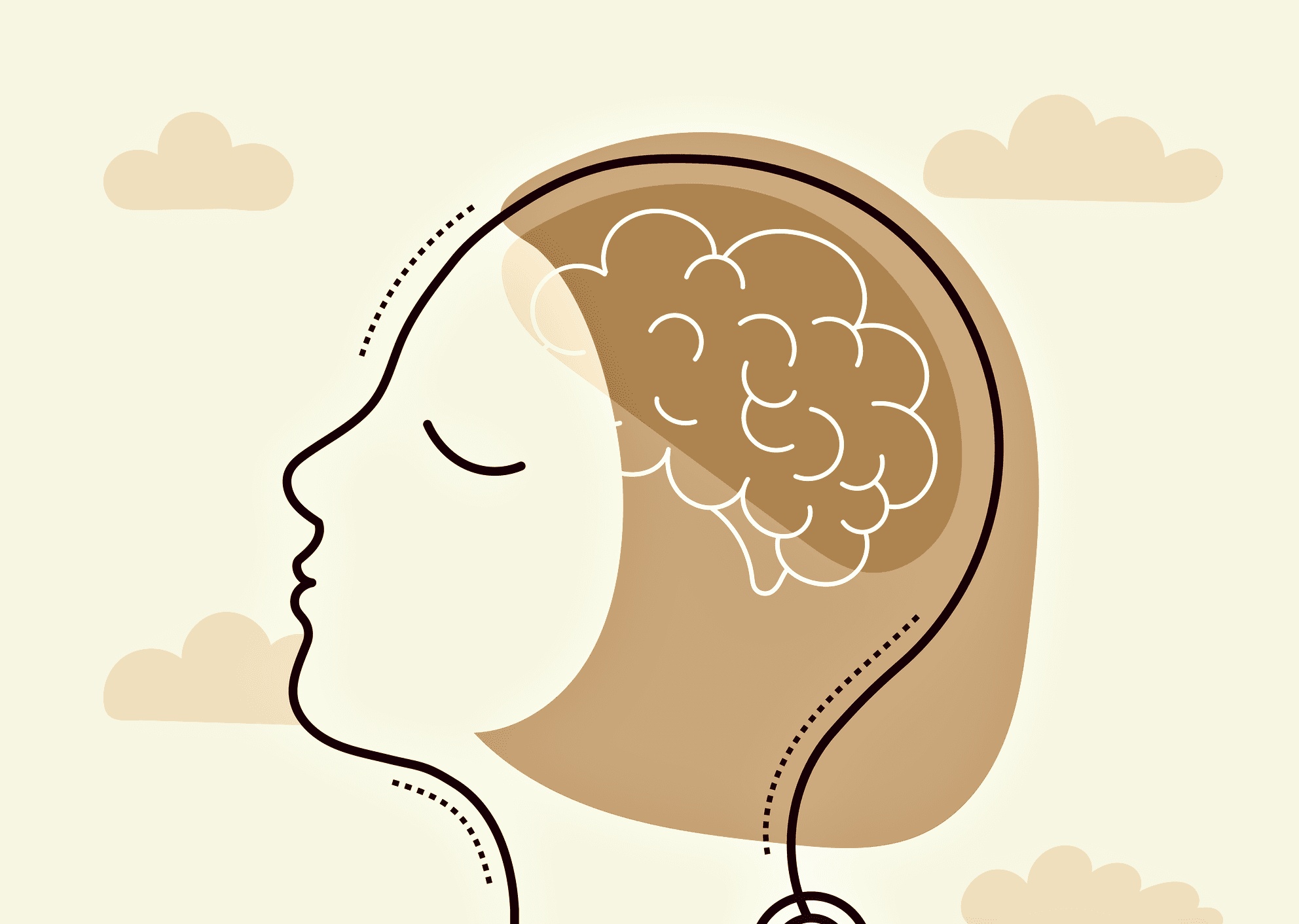
In an era of better technology, we are all being rewired to do more to the detriment of our brains. According to experts, our modern lifestyle is chipping away at neural pathways and making us slower, denser and less capable of original thought. Hyperconnectivity is increasingly taking its toll on our brains. In the end, we end up less productive and ineffective.
When it comes to our health, we don’t always think about nurturing our brains the way we nourish our bodies. But to be our most productive self, we need to do more of what improves our brain health, and less of what causes cognitive decline. Start by adjusting your daily habits and avoiding these common modern habits — your mind will thank you.
1. The brain drain of inactivity
Physical inactivity has its price tags — It’s linked to the development of chronic health problems like heart disease, obesity, depression, dementia, and cancer. Many people are too busy to make time for “basic movement activities” that can slow cognitive decline — walking, cycling, stretching, etc.
Being sedentary changes the shape of certain neurons in the brain, according to a new study in the Journal of Comparative Neurology that suggests a link between inactivity and mental decline.
Regular physical activity can benefit you cognitively — increase brain chemicals which promote better memory and learning, and medically. You know this though. Knowledge of the benefits of exercise is not a problem in the modern world, it’s the application of relevant information.
2. Think you’re multitasking? Think again
Our smartphones have become Swiss army knives. We use them all the time. We text while we’re walking across the street, catch up on email while commuting, read or listen to podcasts while standing in a queue.
You’ve likely heard that multitasking is bad for your productivity. It turns out, it’s a habit that also rewires the brain and makes you less effective.
Earl Miller, a neuroscientist at MIT and one of the world experts on divided attention, says that our brains are “not wired to multitask well… When people think they’re multitasking, they’re actually just switching from one task to another very rapidly. And every time they do, there’s a cognitive cost in doing so.”
Multitasking also increases the stress hormone cortisol as well as the fight-or-flight hormone adrenaline, which can overstimulate your brain and cause mental fog or scrambled thinking.
3. Information overload leads to unnecessary overstimulation of the brain
The sheer volume of emails, social updates, and notifications we receive can be overwhelming — it takes a huge bite out of the day for many people. The constant stream of content if not managed can cause stress and lead to decision overload.
“Too Much Information” that, “Information overload is one of the biggest irritations in modern life”, writes Schumpeter of The Economist.
Some people proudly boast of how many things they can juggle in a single day. Glenn Wilson, former visiting professor of psychology at Gresham College, London found out in his research that being in a situation where you are trying to concentrate on a task, and an email is sitting unread in your inbox, can reduce your effective IQ by 10 points.
To maximize your brain every day, use better tools and settings to filter information throughout the day. Be proactive about how you consume media. Prepare your brain to ignore unnecessary information. When you organize your day with these principles in mind, you will likely increase your brain’s efficiency significantly.
4. Sitting for too long is hurting you
Sitting is one of the worst things we can do for our health. A new UCLA study reports that people who are more sedentary have thinning in brain regions linked to memory.
It finds that sitting isn’t just a physical health risk — it’s a neurological risk as well. The authors write in their paper, “it is possible that sedentary behaviour is a more significant predictor of brain structure, specifically [medial temporal lobe] thickness, and that physical activity, even at higher levels, is not sufficient to offset the harmful effects of sitting for extended periods of time.”
You can reduce the amount of sitting you do by adopting interventions like moderate walking, standing while working, even for just 10 minutes at a time, standup meetings — it offers the opportunity to sit less, move more and conduct short meetings.
5. All that screen time can negatively impact our mental and emotional wellbeing
Today, face-to-face interactions are increasingly being replaced by digital tools. People spend more time online than ever before.
“Anything with a screen — television, phones, tablets, computers, video games — constitutes screen time,” explains Tom Kersting, a licensed psychotherapist and an expert in the field of mental health and parenting in the digital age. “If the majority of our waking hours entails looking at a screen, then we know it is way too much.”
A face-to-face conversation is incredibly beneficial for your brain. A study by the University of Michigan found that even just 10 minutes per day of conversation with another person improved memory and cognition.
“In our study, socializing was just as effective as more traditional kinds of mental exercise in boosting memory and intellectual performance,” said Oscar Ybarra, a psychologist at the U-M Institute for Social Research (ISR) and a lead author of the study with ISR psychologist Eugene Burnstein and psychologist Piotr Winkielman from the University of California, San Diego.
The lack of true personal interaction limits the brain’s opportunities to make better connections. It can also lead to loneliness and depression — mental conditions that contribute significantly to reduced brain health.
Looking at screens all day can hurt your eyes, ears, neck, shoulders, back, wrists, and forearms. It also interferes with getting a good night’s sleep.
According to experts, excessive screen time has a negative effect on intellectual abilities as well as emotional well-being.
Set clear boundaries with screens to avoid developing detrimental habits. The goal isn’t to avoid screen time entirely, as that’s not realistic in modern life. However, if you’re going to use a device, be mindful.
6. It’s surprisingly easy for your headphones to damage the parts of the ear vital to healthy hearing
People, by nature, love to switch up the volume. It makes the music sounds more “fun” and immersive. In the age of noise-cancelling earbuds and headphones, you can easily damage your hearing.
When the rest of the world gets too distracting, it’s tempting to pop in your earbuds, crank up your favourite tunes, and close yourself off to focus better.
If you consistently blast your music too loudly, you can damage your hearing. But it’s not just your ears: Hearing loss in older adults is linked to brain problems, such as Alzheimer’s and loss of brain tissue.
When your brain has to work so hard to understand what’s being said around you, it can’t store what you’ve heard into memory. So, protect your hearing by adjusting the volume of your headphones — it’s an excellent way to preserve your hearing and allow your brain to work better.
“One test we recommend is to remove your headphones, keeping them at your preferred volume, and hold them out in front of you at an arm’s length. Can you hear the music clearly? If so, try turning it down and repeating again,” writes Headphonesty. Always aim to take regular breaks during the course of the day to give your ears a much-needed rest.
7. Sleeping poorly upsets your brain
Insufficient sleep is a huge problem for many busy professionals. Sleep deprivation can have serious short-term and long-term consequences — it can delay reaction times, glucose levels, mood, headache, impaired memory, and hormone imbalances. Recent research shows that not getting enough sleep may actually shrink your brain.
Sleep is absolutely essential for your brain. When you deprive your brain healthy sleep, how it process information, consolidates memories, make connections, and clear out toxins suffers.
Lack of sleep slows down your thinking, impairs your memory, concentration, judgment, and decision-making, and impedes learning.
Improving your sleep habits could be an important way to improve brain health. 7–8 hours/night of good sleep is essential for stimulating new connections and brain growth.
If you are concerned about the health of your brain and the quality of your thinking now or in the future, learn to take care of your brain. A few simple changes to your lifestyle could boost your memory, learning, mental resilience and overall health of your brain.
WRITTEN BY
Founder @AllTopStartups | Featured at Business Insider, Forbes, etc. I share practical tools for wealth, health, and happiness at https://postanly.substack.com
Share This Post

About Kweku Jasper
I am a multi talented African son growing up in a cold but hot world, where nothing is what it seems to be. I am an optimist by faith, R.N by profession, Web developer by practice, Tech preacher by decision, promoter by love, blogger by inspiration, photographer by occupation, marketer by calling, satirist by tribe, entrepreneur by origin, events manager by love, non-bias and rich by choice, illustrious by divine arrangement and Ghanaian by law. I am a Data Scientist by curiosity, ML & Al fun, a Cybersecurity advocate, SEO consultant & a UI/UX Researcher. Simply put, I am all things to all men at all times.